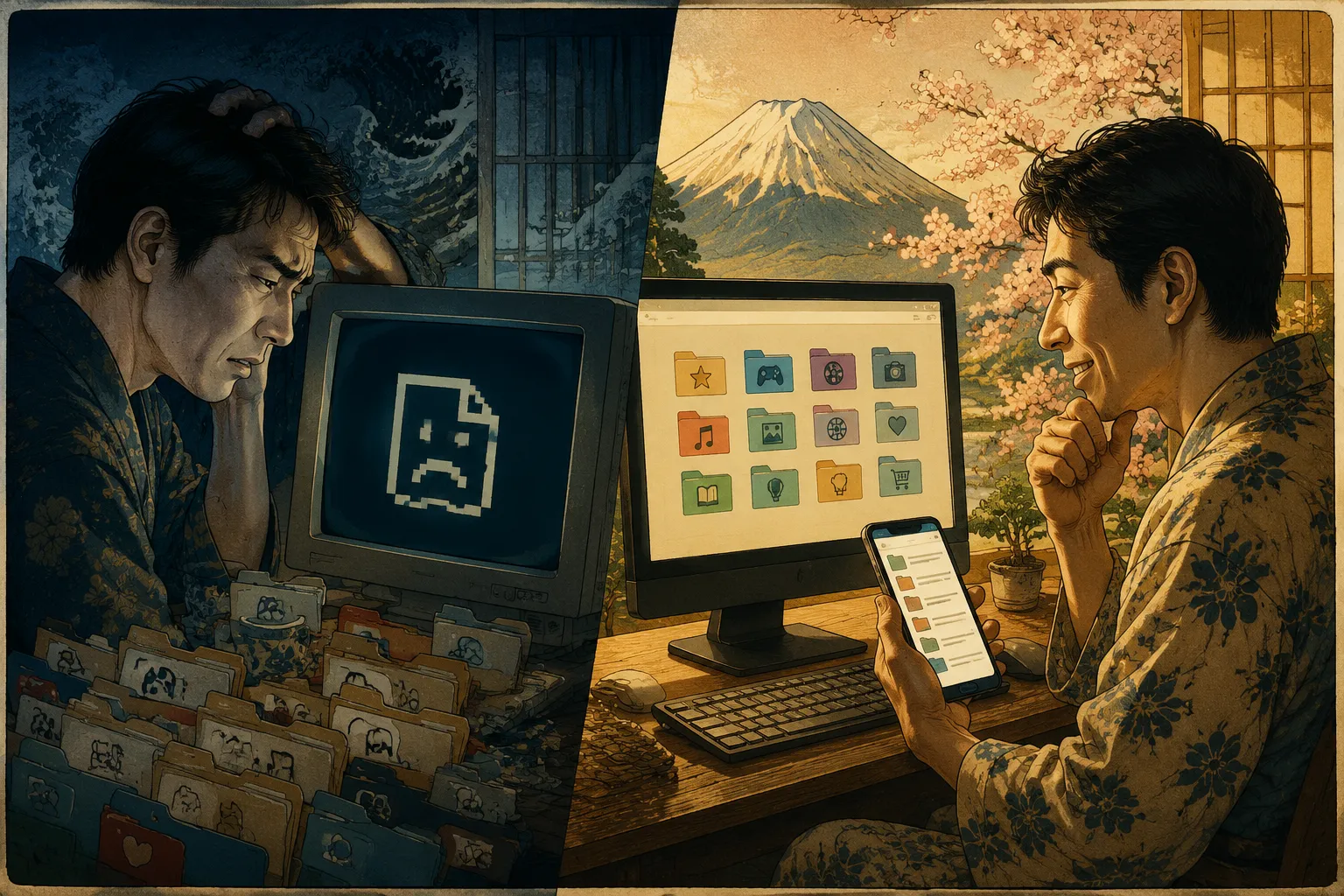
Preserving old film is not only a technical process. It also requires access to reliable information, experienced transfer services, specialist equipment, archival collections, and communities that understand formats such as 8mm, Super 8mm, and 16mm.
These resources are rarely found in one place. A collector may need to visit an archive for historical information, a technical guide for film identification, a specialist company for digital scanning, and an online community for equipment advice.
This is where organized website directories can provide additional value. A directory such as Juso World can serve as a starting point for exploring media, culture, technology, and other online resources, while specialist film websites continue to provide the detailed knowledge required for preservation work.
Film Preservation in a Changing Digital World
Home movies preserve more than family events. They may also record local streets, clothing, celebrations, workplaces, buildings, and everyday experiences that were never documented by professional filmmakers.
Formats such as Regular 8mm, Super 8mm, and 16mm were created for different cameras, frame rates, sound systems, and projection equipment. As working projectors and replacement parts become less common, digital transfer has become one of the most practical ways to keep these recordings accessible.
The goal is not simply to copy an image from film into a computer. A proper preservation process may involve inspection, cleaning, repair, frame-rate correction, colour adjustment, scanning, file organization, and the creation of backup copies.
Online research can help film owners understand these steps before sending valuable material to a transfer service.
Essential Online Resources for Film Enthusiasts
The internet contains extensive information about small-gauge film, but the quality and depth of that information vary considerably.
Some websites provide detailed technical documentation, while others offer introductory advice for families who have recently discovered unidentified film reels. Knowing which type of resource is needed can make the research process more efficient.
Useful online resources include:
- Film identification guides explaining perforations, reel sizes, edge markings, and sound tracks
- Frame-rate references covering common playback speeds for 8mm, Super 8mm, and 16mm
- Storage and handling guides describing suitable temperature, humidity, containers, and cleaning practices
- Digital scanning explanations comparing HD, 2K, and 4K output
- Equipment resources covering projectors, viewers, splicers, rewinds, and film-cleaning tools
- Professional transfer services offering inspection, repair, scanning, and digital delivery
- Archives and museums providing access to preserved footage and historical documentation
- Film communities where collectors and filmmakers exchange practical experience
A single source is unlikely to cover every part of the process. Film owners usually benefit from comparing information from several specialist websites before making decisions.
How to Choose a Film Transfer or Restoration Service
A professional transfer service should explain its process clearly. The cheapest option may not provide the level of handling, cleaning, or image quality required for irreplaceable footage.
Before sending film to a company, compare the following factors.
| Evaluation factor | What to examine |
|---|---|
| Supported formats | Regular 8mm, Super 8mm, 16mm, sound film, and other specialist formats |
| Film inspection | Whether reels are inspected for damage, weak splices, shrinkage, or contamination |
| Cleaning process | Manual, solvent-based, ultrasonic, or other suitable cleaning methods |
| Scanning method | Frame-by-frame scanning rather than recording a projected image |
| Output resolution | HD, 2K, or 4K options appropriate for the source material |
| Frame-rate handling | Correct playback speed without unnecessary motion distortion |
| Digital delivery | Download, hard drive, archival master files, or viewing copies |
| Sample availability | Whether a short test scan can be reviewed before the full order |
| Film handling | Whether the film remains at the company’s own facility |
| Pricing structure | Clear charges for scanning, repair, cleaning, storage media, and shipping |
The most suitable service depends on the condition of the film and the owner’s goals. A family viewing copy may not require the same workflow as footage intended for a documentary, museum collection, or broadcast production.주소월드
Whenever possible, review actual transfer samples rather than relying only on promotional descriptions.
Archives, Museums, and Film Communities
Commercial transfer services are only one part of the film preservation landscape.
National archives, regional museums, universities, cinematheques, and film institutes often publish useful information about conservation practices. Some institutions also provide searchable digital collections that allow users to study historical footage without handling the original film.
Film festivals and workshops can be equally valuable. They may introduce restored works, demonstrate analogue filmmaking techniques, or provide training in projection, splicing, and archival handling.
Independent online communities are useful for practical questions that may not appear in formal documentation. Collectors frequently discuss camera maintenance, projector compatibility, film-stock identification, scanning equipment, and trusted repair specialists.
These community discussions should be treated as experience-based guidance rather than universal technical standards. Important preservation decisions should be confirmed through qualified professionals or established archival sources.
Why Specialist Media Websites Can Be Difficult to Find
Finding a general explanation of film transfer is easy. Finding the right technical resource for a specific reel can be more difficult.
Specialist websites may use terminology unfamiliar to beginners. A person searching for “old home movie film” may not know whether the reel contains Regular 8mm, Super 8mm, or 16mm footage. Search results can therefore return information that appears relevant but applies to a different format.
Websites also change over time. A transfer company may rebrand, an archive may reorganize its digital collection, or a useful technical guide may move to a new section of a larger website.
Other common obstacles include:
- Outdated pages remaining visible in search results
- Similar domain names belonging to unrelated organizations
- Broken bookmarks following a website redesign
- Useful resources being distributed across multiple categories
- Regional services appearing below less relevant national results
- Promotional pages ranking above detailed technical references
For these reasons, effective research usually requires more than one discovery method.
How Website Directories Support Online Research
A website directory organizes external resources into categories rather than asking users to begin every search from an empty search box.
This can be useful when a person knows the general type of resource required but does not yet know the name of a specific organization. Browsing a media, culture, technology, education, or community category may reveal websites that would not appear through a narrowly worded search.
A directory does not replace an archive, professional film technician, museum, or official company website. Its role is to help users discover possible destinations and compare different areas of the web.
The quality and relevance of individual listings can change, so every external destination should still be evaluated independently.
Using Juso World for Broader Digital Discovery
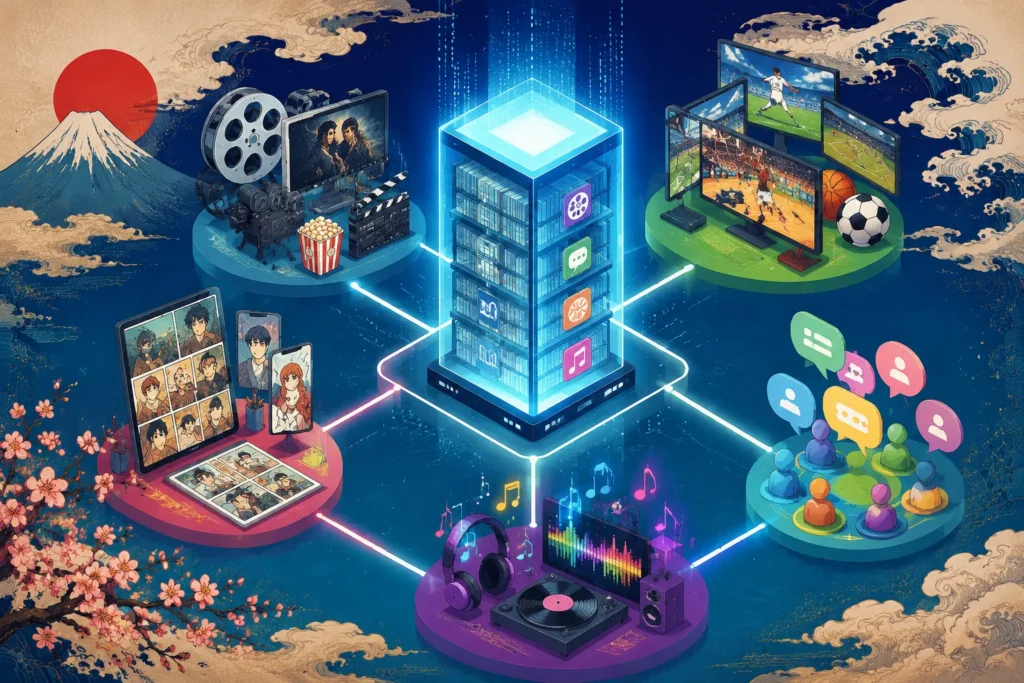
Juso World is a category-based website directory intended to make online resources easier to browse.
For film enthusiasts, its main value is not technical instruction about cleaning, scanning, or restoring film. Those subjects are better handled by specialist archives and experienced transfer professionals.
Instead, the directory can be used as an additional discovery tool when exploring broader subjects connected to film and digital media, including:
- Film and entertainment websites
- Digital media platforms
- Cultural resources
- Technology services
- News and publishing
- Creative communities
- Educational resources
- General online tools
This broader structure can be useful when research expands beyond the physical film itself. A preservation project may eventually require historical research, music licensing information, editing software, storage solutions, publishing platforms, or communities interested in regional history.
Juso World can provide a convenient starting point for that wider exploration, while users continue to rely on official and specialist sources for detailed decisions.
Checking External Websites Safely
No website directory, search engine, or community recommendation can remove the need for basic verification.
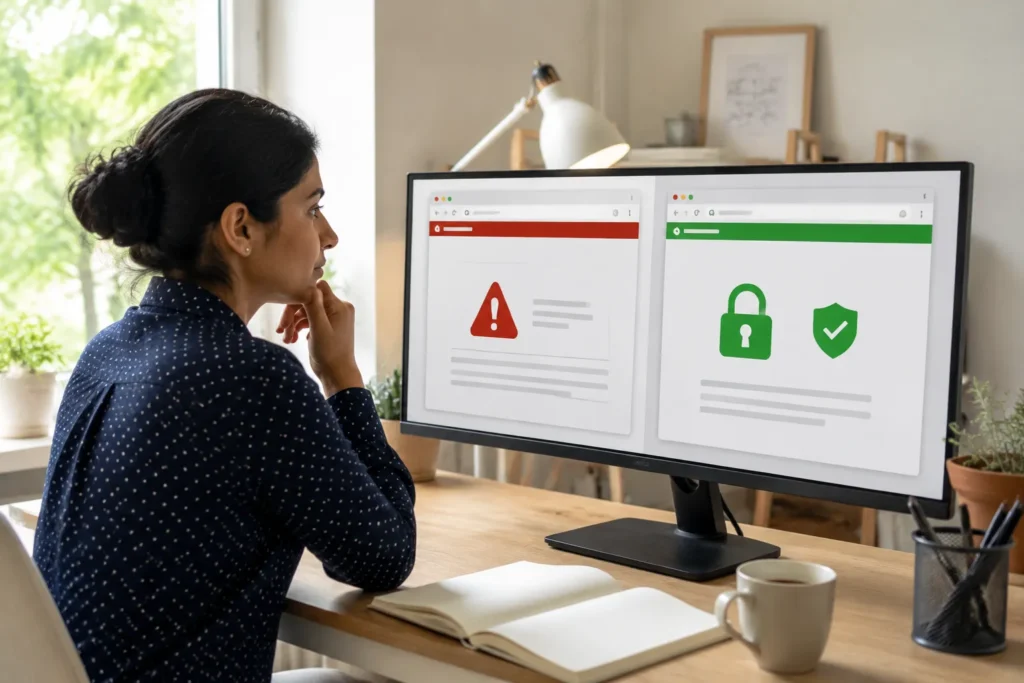
Before using an unfamiliar external website, check the following:
- Examine the domain carefully
Look for misspellings, substituted characters, unnecessary hyphens, or unusual extensions. - Confirm the secure connection
HTTPS protects data in transit, although it does not prove that the website itself is trustworthy. - Identify the operator
A professional service should provide clear information about its business, location, process, and contact methods. - Review the service description
Film-transfer companies should explain supported formats, scanning methods, handling procedures, and delivery options. - Avoid unexplained downloads
A website should not require an unknown program, browser extension, or mobile application simply to view basic information. - Watch for repeated redirects
Unexpected movement between unrelated domains may indicate an advertising chain or misleading link. - Verify before shipping original film
Confirm the company’s current address and instructions directly before sending irreplaceable material. - Protect personal and payment information
Do not submit sensitive details until the business and destination website have been independently checked.링크모음
A Practical Research Workflow
A structured process can reduce confusion when researching film preservation online.
Step 1: Identify the material
Record the reel diameter, film width, perforation pattern, label information, and whether the film has a magnetic or optical sound track.
Do not run unidentified or fragile film through an untested projector.
Step 2: Consult specialist references
Use museum, archive, manufacturer, and film-technology resources to identify the format and likely frame rate.
Compare more than one source when the film does not match standard examples.
Step 3: Define the preservation goal
Decide whether the project requires:
- A basic family viewing copy
- A high-resolution archival scan
- Restoration for public screening
- Footage for documentary production
- Long-term digital preservation
The intended use affects resolution, file type, restoration work, and cost.
Step 4: Compare professional services
Review transfer samples, supported formats, cleaning procedures, handling policies, output formats, and total pricing.
Contact the service directly when the website does not answer an important question.
Step 5: Explore related resources
Use search engines, archival portals, professional associations, and directories such as Juso World to discover additional media, cultural, technical, and community websites.
Step 6: Verify the destination
Confirm that the website is current, the domain is correct, and the organization is still operating before submitting files, payments, or original film.
Step 7: Create multiple backups
After the transfer is complete, retain the original film and create more than one digital copy. Store the copies on separate devices or in separate physical locations.